2,500 Years of Sacred Sovereignty
According to the ancient chronicle Mahavamsa, Anuradhapura was formally founded as the royal capital of Sri Lanka in 437 BCE by King Pandukabhaya. He planned the city with residential quarters, medical sanatoriums, defense gates, and monastic reserves, creating one of the earliest master-planned urban centers in world history.
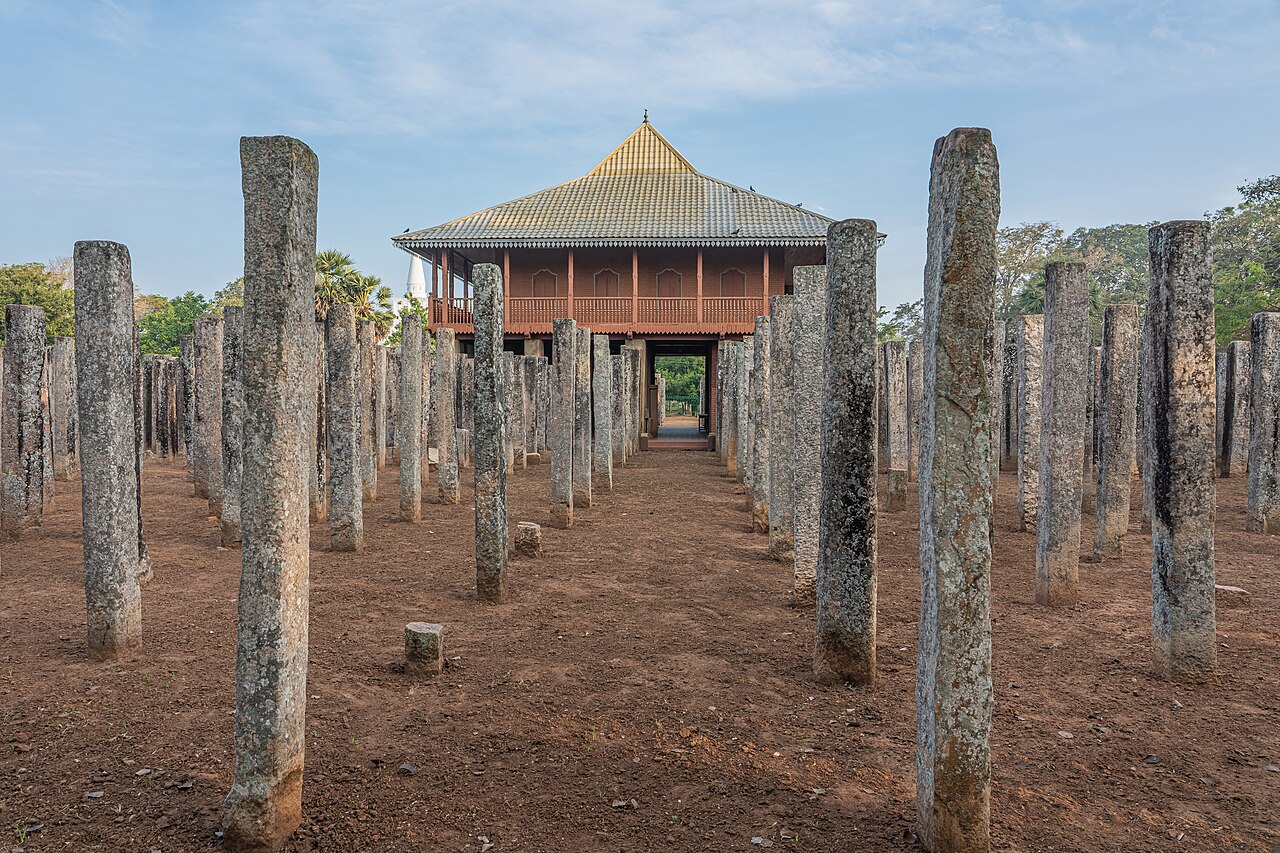
The defining transformation in Sri Lankan civilization occurred in 247 BCE when Arahat Mahinda, son of Emperor Ashoka of India, met King Devanampiya Tissa at Mihintale peak. The king embraced the Dhamma, initiating an era of magnificent brick dagobas, rock hermitages, and international Buddhist scholarship that lasted for 1,400 years.
Under legendary sovereigns such as King Dutugemunu (161–137 BCE) and King Mahasena (276–303 CE), the kingdom erected monumental stupas that rivaled the Egyptian Pyramids in scale and mathematical precision.
The Reservoir & Water Civilization
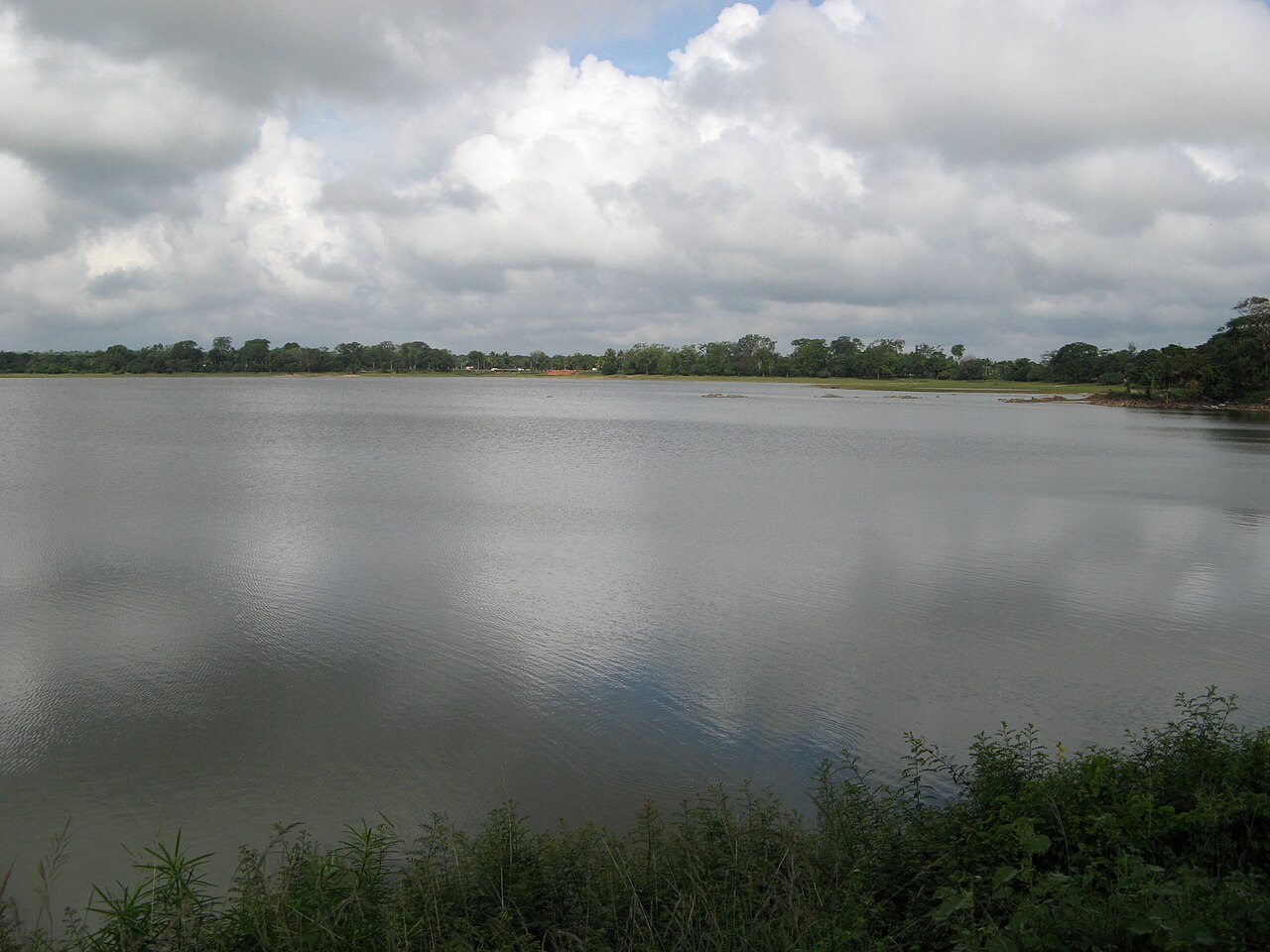
Anuradhapura flourished in the dry plains of northern Sri Lanka through the invention of a sophisticated interconnected system of man-made inland lakes (Wewa) and cascading stone waterways.
Ancient engineers invented the Bisokotuwa (valve pit) in the 3rd century BCE—an underground stone cistern that controlled high-pressure water surges before sluices opened, preventing earthen dam breaches. This invention preceded Western hydraulic equivalents by over a millennium.
Notable hydraulic marvels include:
- Tissa Wewa & Nuwara Wewa: Giant freshwater reservoirs that cooled the city and nourished endless emerald rice paddies.
- Yoda Ela (Giant's Canal): A 54-mile water conduit built in the 5th century CE with an extraordinary gradient of only 6 inches per mile.
- Kuttam Pokuna: The Royal Twin Ponds featuring multi-stage charcoal and sand filtration chambers.
Key Eras & Monarchs of Anuradhapura
A comprehensive reference to the foundational dynasties, royal builders, and monumental achievements of the ancient kingdom.
| Historical Era | Monarch / King | Time Period | Key Monuments & Architectural Feats | Significance |
|---|---|---|---|---|
| Foundational Era | King Pandukabhaya | 437 – 367 BCE | Basawakkulama (Abhaya Wewa), Urban street grid, Royal Palace | Established Anuradhapura as national capital |
| Buddhist Advent | King Devanampiya Tissa | 307 – 267 BCE | Thuparamaya, Maha Vihara, Planting of Jaya Sri Maha Bodhi, Tissa Wewa | State adoption of Theravada Buddhism |
| Heroic Unification | King Dutugemunu | 161 – 137 BCE | Ruwanweli Maha Seya, Mirisavetiya Stupa, Lovamahapaya | Unified island, erected largest stupas of era |
| Scholastic Expansion | King Valagamba (Vattagamani) | 89 – 77 BCE | Abhayagiri Stupa & Monastic University, Aluvihara Tripitaka writing | Created international center of Buddhist scholarship |
| Hydraulic Zenith | King Mahasena | 276 – 303 CE | Jetavanaramaya (Tallest brick monument), Minneriya Tank, 16 Reservoirs | Pinnacle of brick dome and hydraulic engineering |
| Late Classical | King Dhatusena | 459 – 477 CE | Kala Wewa, Balalu Wewa, Yoda Ela 54-mile low-gradient canal | Mastered low-gradient hydraulic canalization |
Visitor Etiquette & Sacred Site Protocols
Anuradhapura is an active sacred ground visited by millions of barefoot devotees. Please observe these essential protocols:
- Modest White or Light Clothing: Devotees wear white as a symbol of spiritual purity. Wear attire that comfortably covers both shoulders and knees. Sleeveless shirts, shorts, and beachwear are prohibited in sacred courtyards.
- Removal of Footwear & Headgear: Remove your shoes, sandals, hats, and sunglasses before crossing the threshold stone (Sandakada Pahana) or outer sand terrace (Salapatala Maluwa) of any stupa or shrine. Tip: Wear thick socks during sunny afternoons as stone pavers can become hot.
- Clockwise Circumambulation (Pradakshina): When walking around stupas or Bodhi shrines, always walk in a clockwise direction, keeping the sacred monument to your right shoulder.
- Respectful Buddha Statue Photography: Never pose with your back turned directly towards a Buddha statue for selfies or group pictures. Posing next to or pointing feet towards religious icons is considered deeply disrespectful.
- Veneration of the Buddhist Monks (Sangha): Give way to monks on pathways. When greeting a Buddhist monk, bring your palms together in prayer position (Ayubowan/Vandana) and offer a courteous bow.
- Quiet Contemplation & Environmental Care: Speak in low, serene tones. Do not litter or bring single-use plastics into the sacred compound. Preserve the holy tranquility for everyone.
The "Visit Ancient City Of Anuradhapura" Organization
Founded to bridge ancient heritage with world-class hospitality, sustainable conservation, and personalized educational storytelling.

Roshan De Silva
Licensed National Tour Guide Lecturer | Sri Lanka Tourism Development Authority (SLTDA)
"Growing up in the shadow of Ruwanweli Seya, Anuradhapura's monumental legacy is part of my identity. Over the past 15 years, I have had the privilege of guiding thousands of diplomats, archaeology scholars, and international pilgrims through these sacred precincts. Our organization is built upon honest storytelling, meticulous care for our travelers, and uncompromising respect for Sri Lanka's cultural heritage."
🎯 Our Mission
To provide authentic, deeply educational, and spiritually enriching journeys across the Ancient City while supporting local communities, artisans, and conservation efforts.
🌿 Sustainable Heritage
We enforce strict zero-waste practices, promote electric buggies and bicycle tours to minimize carbon emissions, and uphold the highest standards of archaeological preservation.
🤝 Authentic Hospitality
From custom itineraries and certified multi-lingual guides to traditional home-cooked Rajarata organic meals and reliable AC transport, your comfort is guaranteed.